Swiss Post and art
Swiss Post has been promoting and collecting contemporary art since 1924. Today, the collection comprises some 400 works. However, Swiss Post’s commitment to art stretches far beyond purchasing artwork. Swiss Post plays a leading role in the field of corporate art collections and in the promotion of art and culture.
In brief
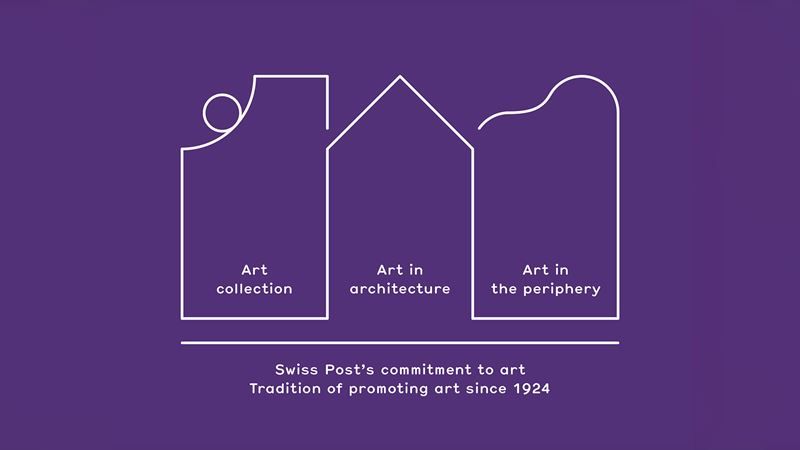
For over 100 years, we have been committed to art in Switzerland. Our art commitment is based on three pillars: the art collection, art in architecture, and partnerships, including events such as “Art in the Periphery.”
This commitment is supported by our Art Committee, which assists us in the selection of new works and the ongoing development of the collection.
Our commitment to art
Swiss Post’s commitment to art offers a diverse platform for artistic work in Switzerland. It aims to address and communicate issues and concerns that are of equal importance to Swiss society and Swiss Post.
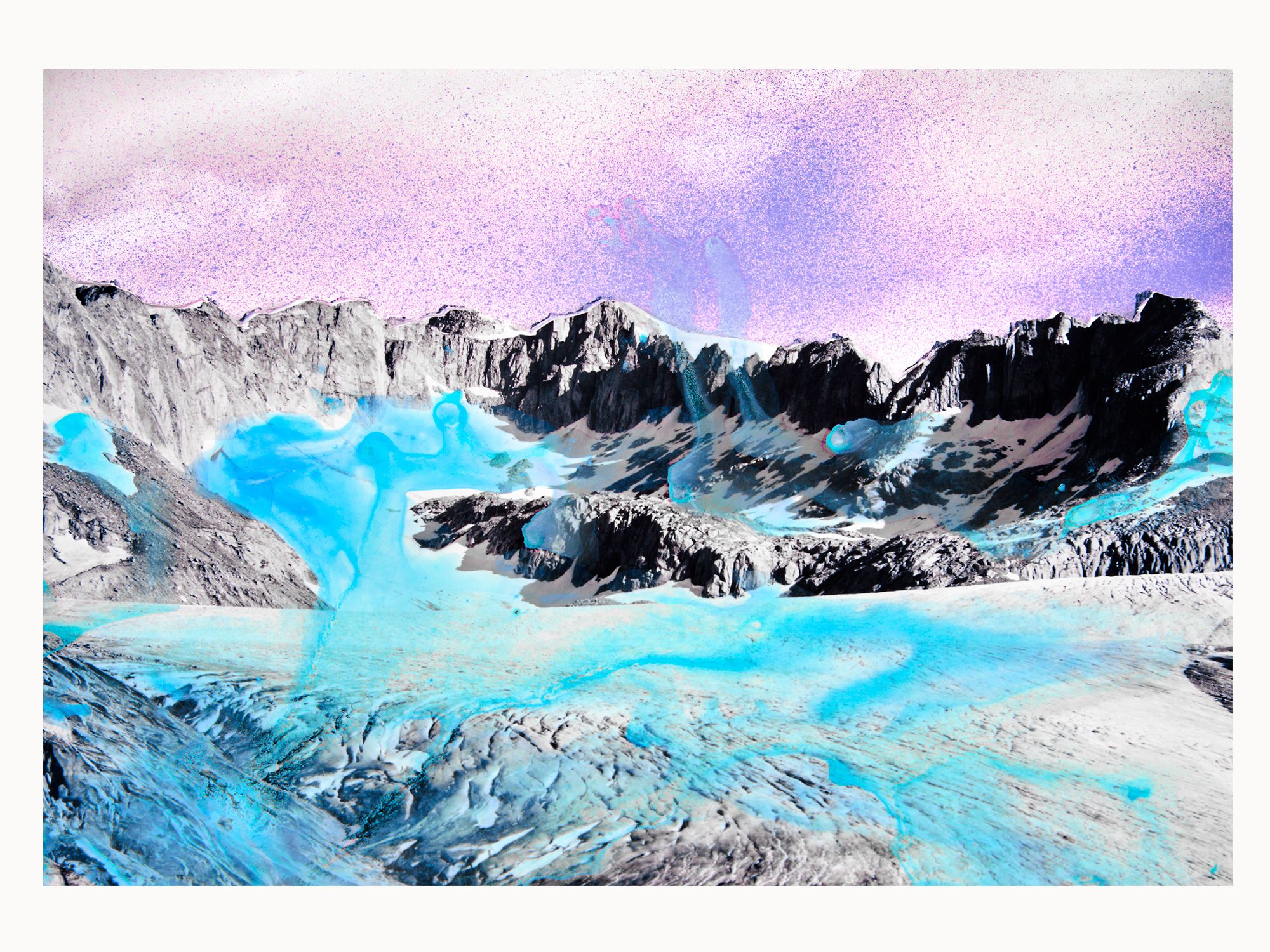
Swiss Post, with the help of Swiss art, is creating space for and promoting dialogue in society. When selecting new artwork for the collection, special care is taken to ensure that it addresses topics and concerns that also engage Swiss society at large. Right now, and indeed in the future, these include topics such as diversity, social justice, concern for natural resources, sustainability and climate issues, addressing our shared history and the impact of new technologies on our living environments. For Swiss Post, it is important that the art collection reflects the reality in our country and reflects on it with precise works of content. In this way, the art is not only appreciated in isolation, but is seen as a means to represent and better understand our time and its challenges in a variety of ways.
Art collection
Swiss Post’s art collection has a rich history. The Confederation’s commitment to the promotion of art began with the Federal Decree on the Promotion and Elevation of Swiss Art of 1887, as well as the Ordinance on Federal Promotion of Swiss Art of 29 September 1924. Today, the collection comprises some 500 works.
The Art department, the Art Committee and external consultants are responsible for purchasing selected contemporary works of art. One of the purchasing criteria is a connection to Switzerland and to socially relevant issues.
The aim of the collection is to address current issues that are relevant to both Swiss Post and the Swiss population and to present them in exhibitions throughout the country. By committing to initiatives such as purchasing works of art, Swiss Post fulfils its social responsibility and makes a lasting contribution to promoting the Swiss art scene.
Art in architecture
The Swiss Post’s commitment to art in architecture dates to the year 1887 and the Federal decree "concerning the promotion and enhancement of Swiss art". During this period, the first new buildings for postal operations were built, financed by federal funds and adorned with artistic ornamentation. One such example is the main post office in Lucerne with statues by Karl Alfred Lanz. The Swiss federal state was founded in 1848, and the post office was its only central government institution for many years. It therefore played a decisive role in shaping the identity of the still young and culturally diverse nation.
From 1910, the Swiss Federal Council appointed the Federal Art Commission (EKK) based on the recommendation of the Department of Home Affairs. The FAC still exists today and advises the Federal Office of Culture on questions relating to the support and promotion of art and architecture; FAC members are on the jury of the Swiss Art Awards. Initially, however, the FAC was not involved in awarding artistic commissions for post office buildings. The Federal Department of Planning or the postal administration often assigned these directly, without the involvement of FAC members. It was not until the mid-1930s that the FAC took the lead in the art-in-architecture competitions. During this time, the idea of investing one percent of the construction sum in artistic works was born, and in 1949, the PTT General Management introduced this as a regular practice. The “art percent” has since become an established practice, not only at the Swiss Post but also with public builders and foundations throughout Switzerland. Art-in-architecture commissions were a vital means of support for artists in need during the Great Depression and the Second World War into the 1950s. To this day, such projects are an important source of income for artists. The selection of artists with a personal connection to the architecture’s location reflects the federal organization of both the country and its support structures, including art funding.
Since 1950, the genre of art in architecture has emancipated itself from the narrow corset of “building ornamentation” and increasingly meets architecture at eye level. This was not least connected with new construction methods. Architectural forms traditionally intended for “building ornamentation” – such as niches, gables, and friezes – were no longer available for buildings made of reinforced concrete. As for the motifs, until the 1950s the artistic interventions mainly focused on glorifying the achievements of the PTT services (post office, telephone, telegraphy). Later, the artworks looked beyond PTT themes for their subject matter. At times, art-in-architecture projects have also served to increase the acceptance of buildings, often modernist ones, that had been subject to public criticism.
Starting in 1969, it was no longer the Federal Department of Planning but the PTT itself that was responsible for the construction of post office buildings. The FAC remained active in all the juries until 1997 when PTT services were dissolved into the independent companies Swiss Post Ltd and Swisscom. In 1998, the art-in-architecture projects were placed under the oversight of the Swiss Post Real Estate Unit. Since 2020, the Swiss Post’s newly created Art Department has been responsible for all issues relating to art-in-architecture projects. It assists with the maintenance and upkeep of the artworks and provides advice on structural adjustments to the environment where they are located.
Over the years, more than 180 works of art have been created on or at postal buildings throughout Switzerland. Today, around 75 artworks are still owned by the Swiss Post and enliven the public space.
The art-in-architecture portfolio tells the history of Switzerland on an artistic level. Swiss Post continues to write this history by implementing art-in-architecture projects at suitable buildings. This dedication to art also encompasses a commitment to creating socially sustainable spaces that contribute to the quality of life of the Swiss population.
Art in the periphery
Swiss Post’s partnership with art in the periphery events is an ideal addition to its traditional commitment, while also marking a new milestone for corporate art collections and the Swiss tradition of promoting art. Swiss Post acts as a federating and supporting partner which provides its own postal services.
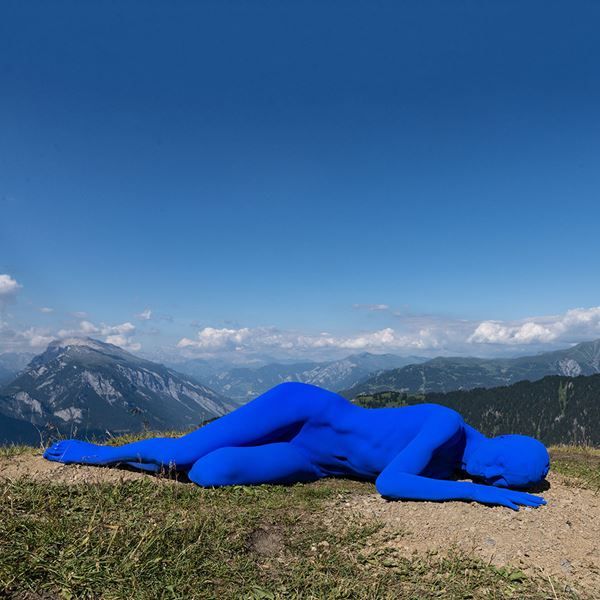
Art in the periphery is a series of temporary, curated non-profit art events held outside urban hubs. Artists are invited to engage with the relevant locations and create site-specific works of art. This gives remote locations stimulating added value, while offering city dwellers the chance to discover the local landscape and opening new perspectives to the local population. The events are free of charge to enter and can be visited at almost any time, day or night, with children, dogs or even your bike.